
Cultural insights into gambling Understanding diverse perspectives around the world
Historical Context of Gambling
Gambling has existed for thousands of years, deeply intertwined with human civilization. Ancient civilizations, including the Greeks and Romans, incorporated gambling into their social and cultural practices. It was not merely a pastime but a vital component of rituals and celebrations. For instance, the Romans used dice in various games of chance, while the Chinese developed early forms of lottery systems. These historical precedents laid the groundwork for the multifaceted nature of gambling as it exists today. Additionally, exploring intriguing platforms like le-fisherman.uk can enhance one’s understanding of contemporary gaming experiences.
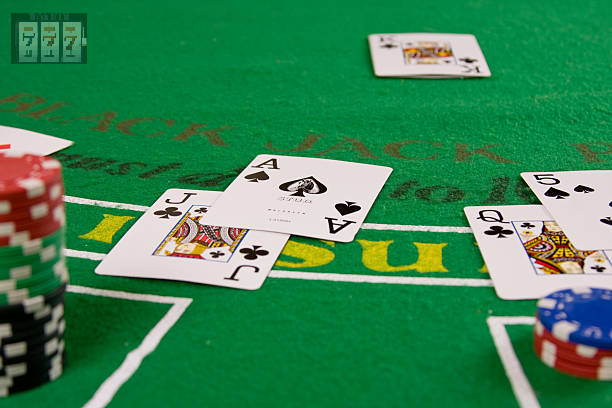
As societies evolved, the perception of gambling underwent significant changes. In many cultures, it transformed from a communal activity into a more individualistic pursuit. The introduction of casinos in the 17th century marked a significant shift, elevating gambling into a formal industry. Countries like France embraced the casino culture, which attracted the elite and reshaped societal views on gambling. This evolution highlights how cultural attitudes can influence gambling practices, leading to varying degrees of acceptance and regulation worldwide.
Throughout history, gambling has also been a reflection of socio-economic conditions. In times of prosperity, gambling often flourished, while economic downturns led to stricter regulations and societal pushback. These patterns demonstrate that gambling is not merely a leisure activity but a cultural phenomenon that responds to the prevailing social climate. Understanding this historical context is crucial for grasping the diverse perspectives surrounding gambling in different cultures.
Gambling in Western Cultures
In Western cultures, gambling is often viewed through a dual lens of excitement and risk. Countries like the United States have established a massive gambling industry, with Las Vegas symbolizing the peak of this cultural phenomenon. Here, gambling is not just a form of entertainment but also a significant economic engine that attracts millions of tourists each year. The glamor and allure surrounding casino gaming, sports betting, and online gambling create an environment where risk-taking is celebrated as part of the human experience.
However, this perception is not universally shared. While many see gambling as a source of fun and potential wealth, others recognize the darker side associated with addiction and financial ruin. The ongoing debates surrounding gambling legislation and responsible gaming initiatives reflect a societal struggle to balance these perspectives. Campaigns to promote responsible gambling have gained traction as more individuals and organizations recognize the importance of protecting vulnerable populations.
Moreover, the Western approach to gambling is increasingly influenced by technological advancements. The rise of online gambling platforms has made it more accessible, transforming how individuals engage with gambling. This shift raises questions about regulation, oversight, and the psychological impacts of digital gaming. Ultimately, the Western cultural perspective on gambling continues to evolve, shaped by economic interests, technological progress, and a growing awareness of the potential consequences.
Gambling Practices in Asia
In Asia, gambling is often deeply rooted in cultural traditions and rituals. Countries like China have long-standing customs that incorporate gambling into various celebrations, such as the Lunar New Year. Games like Mahjong and Pai Gow are not only popular but are also integral to family gatherings and community events. This cultural acceptance contrasts sharply with Western attitudes, revealing a more normalized and communal view of gambling practices.
The Asian gambling landscape is diverse, with each country exhibiting unique practices and beliefs. In places like Macau, gambling is considered a legitimate form of entertainment and economic development. With its world-class casinos, Macau has become the gambling capital of the world, drawing millions who seek fortune and fun. In contrast, nations like India have restrictive gambling laws, reflecting different cultural interpretations of risk and morality associated with gambling.
Moreover, Asian cultures often intertwine gambling with spirituality. Many believe that luck and fortune are influenced by divine entities, and this belief system affects how individuals approach gambling. Rituals and practices aimed at invoking good luck are prevalent, reinforcing the idea that gambling is not merely a game of chance but a spiritual experience. This multifaceted cultural perspective adds depth to the understanding of gambling as more than just an economic activity.
Gambling and Indigenous Cultures
Indigenous cultures around the world have their unique relationship with gambling, often integrating it into their traditions and social structures. For many Indigenous communities, games of chance serve not only as entertainment but also as means of storytelling, community bonding, and cultural preservation. These games, which often include dice and card games, hold historical significance and are reflective of the community’s values and experiences.
However, the introduction of commercial gambling has led to complex dynamics within Indigenous communities. Some have embraced it as a means of economic development, establishing casinos to generate revenue for community services and infrastructure. Others voice concerns over the potential negative impacts, including addiction and loss of cultural identity. This tension highlights the varying perspectives within Indigenous populations regarding the role of gambling in their communities.
Furthermore, the resurgence of traditional gambling practices among Indigenous cultures underscores a movement towards reclaiming heritage. As communities seek to revive their cultural narratives, traditional games offer a platform for education and intergenerational connection. This revitalization showcases how gambling can serve as a powerful tool for cultural identity, navigating the challenges of modernity while honoring ancestral practices.
Exploring Gambling in the Digital Age
The digital revolution has transformed the gambling landscape, reshaping how individuals engage with games of chance. Online gambling platforms have surged in popularity, allowing users to place bets and play casino games from the comfort of their homes. This shift has led to new cultural perceptions, particularly among younger generations who view online gambling as a standard leisure activity. The accessibility and convenience of digital gambling are changing traditional notions of the casino experience.
However, this evolution brings forth significant challenges, including the potential for increased gambling addiction. The ease of access to online gambling raises concerns about responsible gaming practices and the mental health implications associated with excessive gambling. Many countries are now grappling with the need for stringent regulations to protect vulnerable individuals in this digital age, reflecting an ongoing dialogue about the ethics of online gambling.
Moreover, the rise of online gambling has sparked an explosion of innovative gaming experiences, combining traditional elements with advanced technology. Virtual reality casinos and live dealer games enhance the immersive experience, attracting a diverse audience seeking unique thrills. As this landscape continues to evolve, cultural attitudes towards gambling will likely adapt, influenced by technological advancements, ethical considerations, and shifting societal norms.

Final Thoughts on Cultural Perspectives of Gambling
Understanding the diverse perspectives on gambling worldwide reveals much about cultural values and societal norms. From historical roots to modern practices, gambling reflects broader social dynamics, including economic factors and community beliefs. This complex interplay of influences highlights the importance of recognizing regional differences when examining gambling behavior and attitudes.
As we explore the multifaceted nature of gambling, it becomes clear that cultural insights are essential for developing a nuanced understanding of this global phenomenon. The conversations surrounding gambling are not merely about games of chance but encompass a rich tapestry of human experience, revealing deeper truths about risk, reward, and the ever-evolving nature of society.
For those interested in delving deeper into this intricate subject, resources are available that provide comprehensive insights into gambling practices across different cultures. These platforms offer invaluable perspectives that contribute to the broader understanding of gambling as a cultural and social phenomenon, inviting individuals to explore the multifaceted narratives that shape our relationship with chance and risk.